Frequently Asked Questions on Health & Safety
Health and safety compliance can be a complex subject area. However, with expert guidance, it becomes a more straightforward exercise.
Here are some frequently asked questions and answers which may provide you with some useful information. However, each premise is unique, so for any specific questions you might have, please contact us directly.
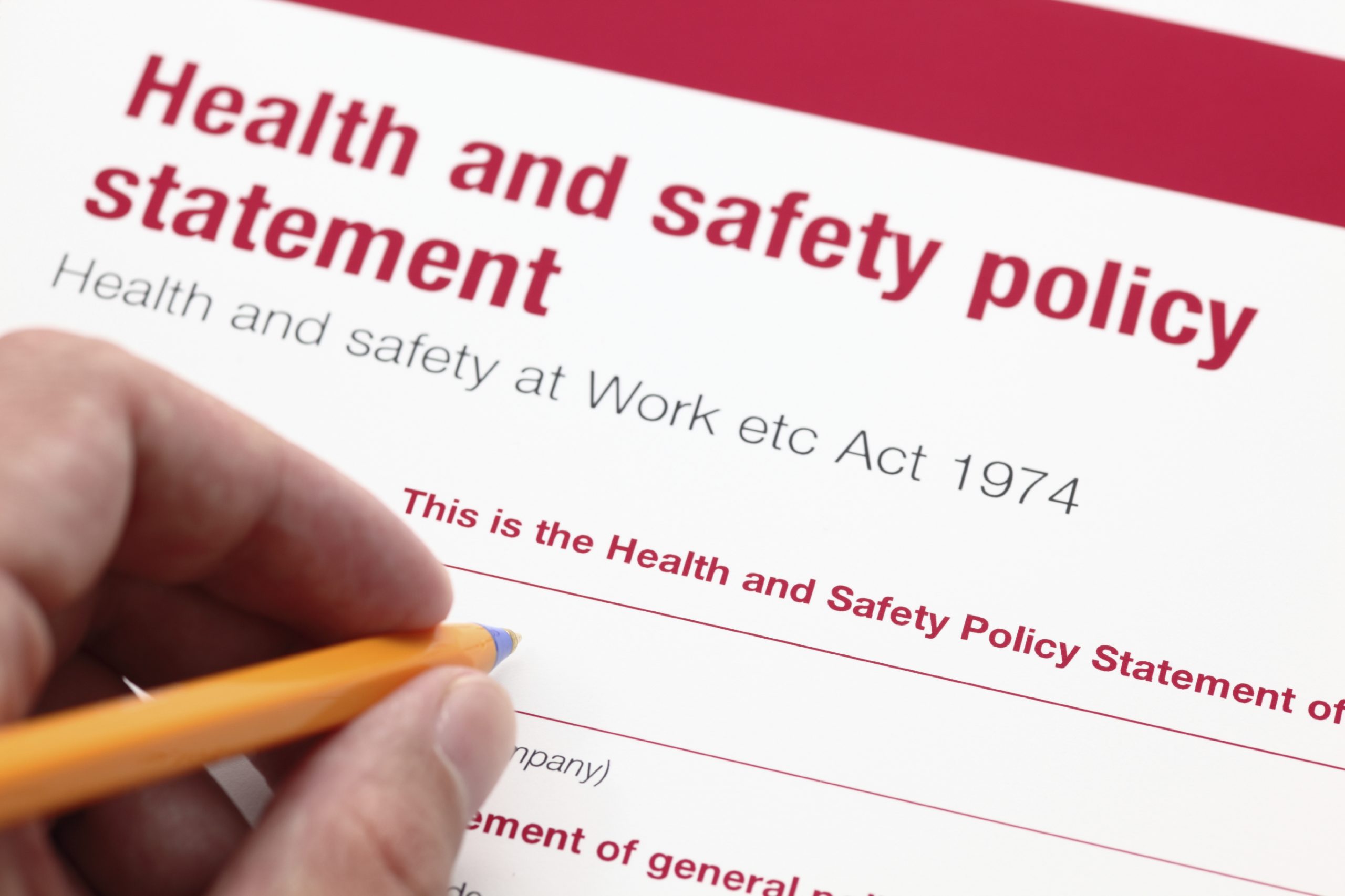
What health and safety documents does my business legally need?
Where you employ 5 or more employees, you are legally required to document your statement of health and safety policy, arrangements for managing health and safety and your workplace risk assessments.
Do I need a health and safety policy if I have fewer than five employees?
By law, you only need to document your health and safety policy when you employ 5 or more employees; it is always good practice to document your policy for any number of employees to demonstrate effective health and safety management.
What happens if I fail a health and safety inspection?
If an external health and safety enforcer inspects your workplace, they could serve a notice of contravention, an improvement notice or a prohibition notice requiring you to improve a current situation or suspend works until further control measures are put in place.
How often should workplace risk assessments be reviewed?
Risk assessments should be reviewed by law if they are suspected to be no longer valid or if there has been a significant change in the matters to which they relate. It is also best practice to undertake a review following an accident or at annual intervals, although this is not a legal requirement.
Can I write my own risk assessment?
There is nothing preventing you from writing your own risk assessment, and this is often the preferred route. However, the person writing the risk assessment must be competent and therefore have sufficient knowledge and experience of the task to produce a suitable and sufficient risk assessment.
What are the penalties for breaking health and safety laws?
Courts can impose unlimited fines for both individuals and organisations, disqualification as a company director and custodial sentences of up to two years.
How much does a health and safety audit cost?
Our audits start at around £500, but we would always need to know more about the business to provide an accurate fee.
Are health and safety a legal requirement for small businesses?
Health and safety are applicable to all organisations, however large or small. However, certain requirements apply only when you employ 5 or more employees.
What is a competent person in health and safety?
To be competent, a person must have the necessary skills, training, knowledge and experience. All our advisors have attended NEBOSH training and are members of the Institute of Occupational Safety and Health, demonstrating competence.
What does an HSE inspector look for during a visit?
Inspectors will generally target specific subject areas during proactive visits, including asbestos management and health. If a complaint has been raised, they may look at the specific area highlighted.
What is the difference between a risk assessment and a method statement?
A risk assessment will consider the hazards associated with a work activity and identify control measures to prevent harm. A method statement is a systematic set of steps to detail how a work activity will be completed to demonstrate that a safe system of work is in place.
Do I need COSHH assessments?
COSHH assessments are legally required where hazardous substances are used or stored as part of the work activities.
What is RIDDOR, and when do I need to report an incident?
RIDDOR stands for the Reporting of Injuries, Diseases and Dangerous Occurrences Regulations. Certain accidents need to be reported to the Enforcing Authority, including where a person receives fatal injuries, fractures to major bones or is away from work for more than seven consecutive days following an accident at work.
How can I reduce accidents in the workplace?
Good health and safety management, including consulting with the workforce, involving them in the risk assessment process, and training them, will always help create a safer workplace and therefore reduce the likelihood of an accident.